
Engagement Rings
Engagement Ring Settings and Anatomy
Knowing the parts of a ring makes it easier to describe what you love. These are the terms our atelier uses every day.
Knowing the parts of a ring makes it easier to describe what you love. These are the terms our atelier uses every day.
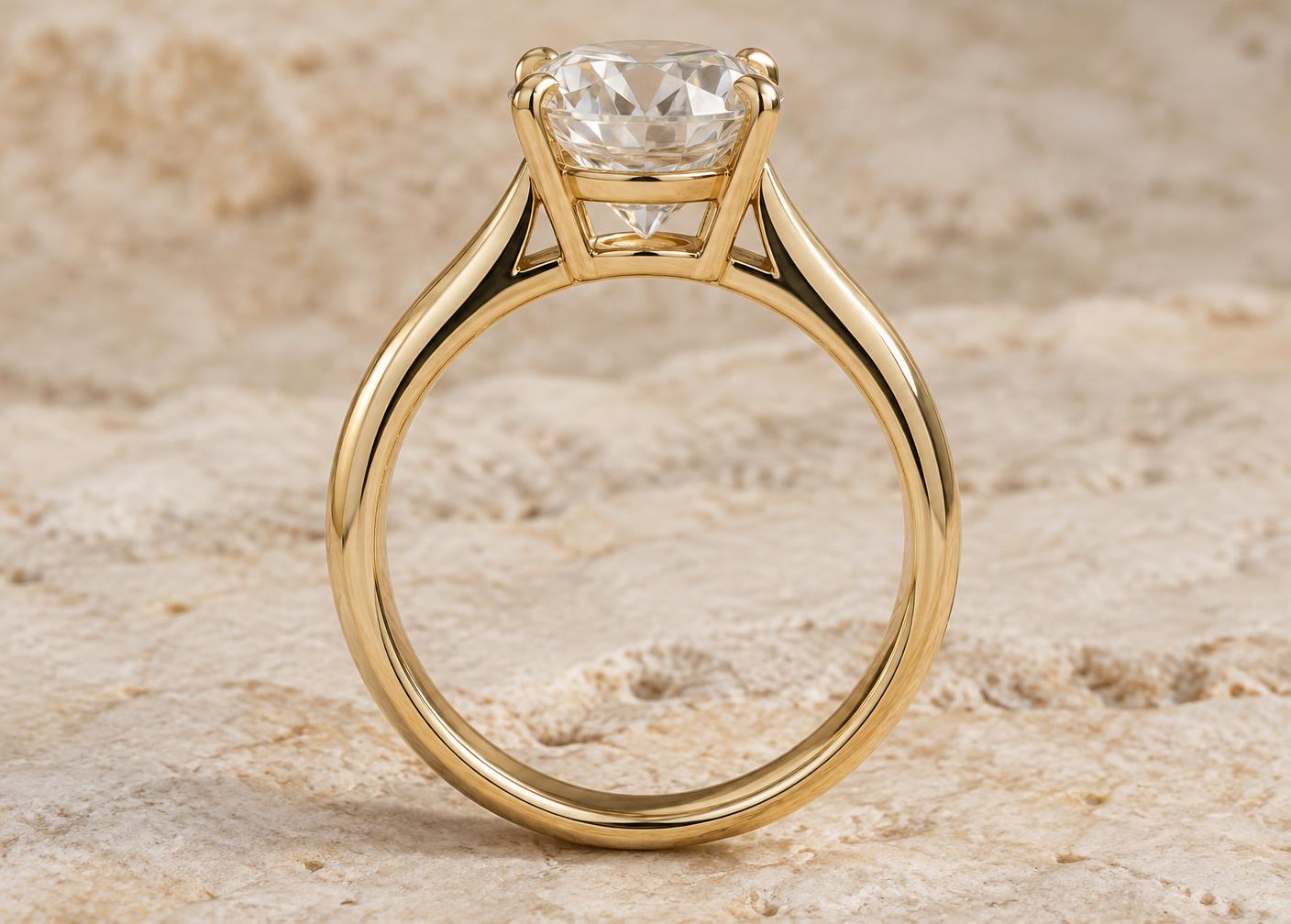
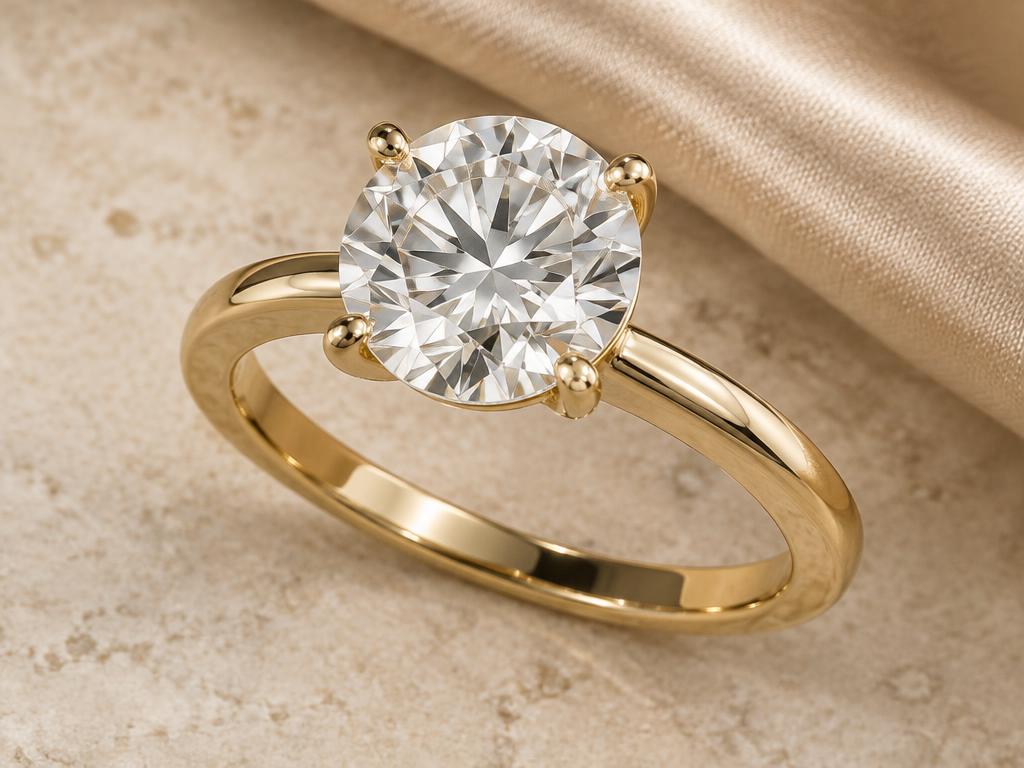
Solitaire
One center stone is the visual focus.
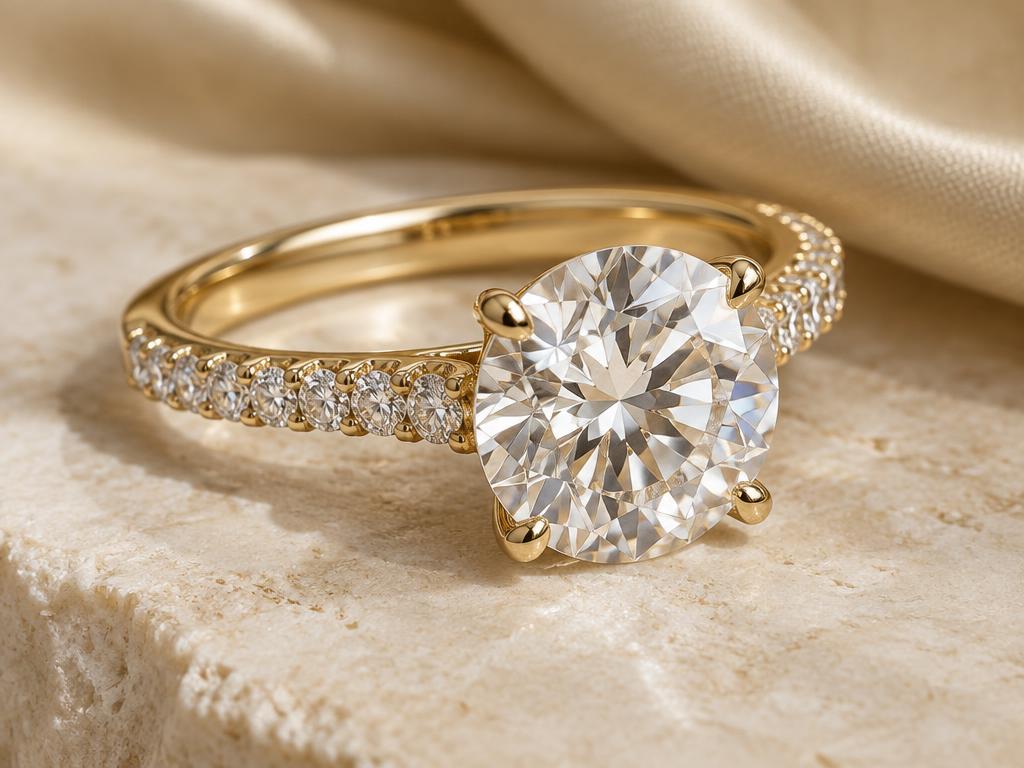
Pavé / Accented
Small diamonds accent the band or shoulders.
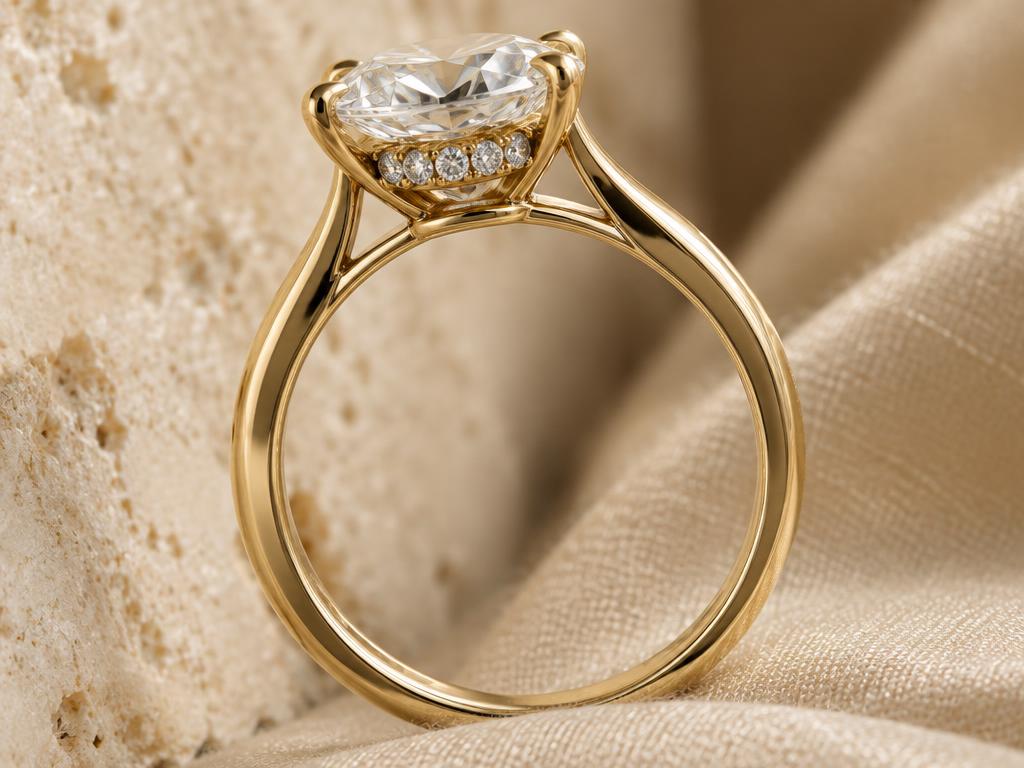
Hidden Halo
Accent diamonds sit beneath the center, most visible in profile.
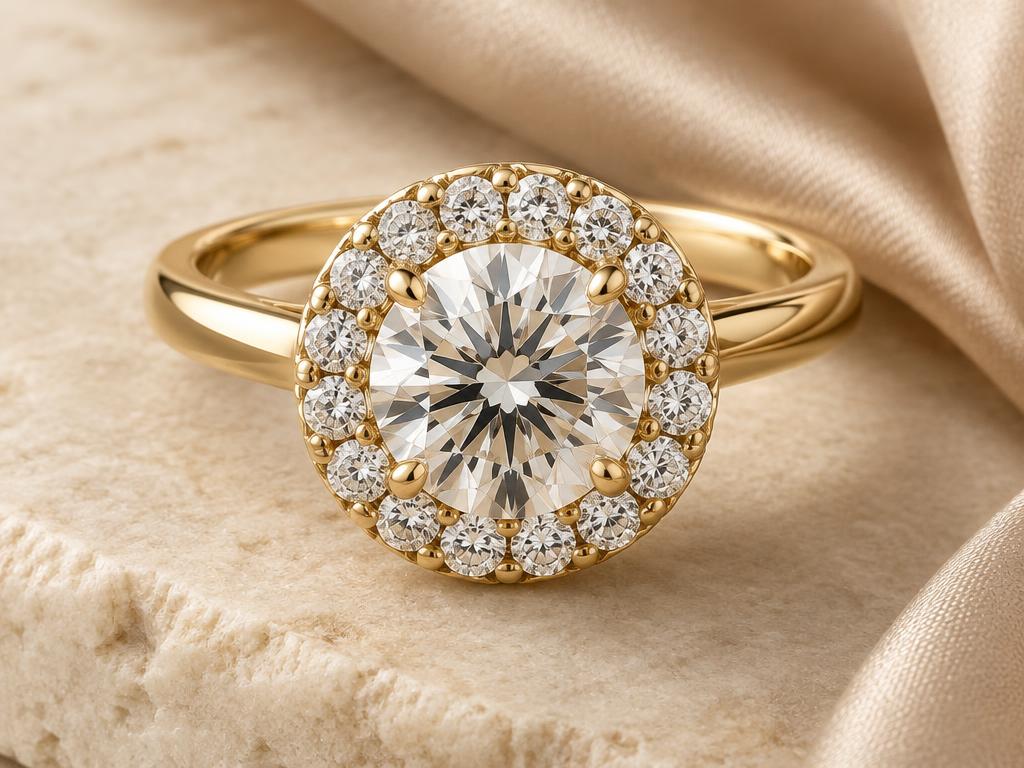
Halo
Diamonds visibly surround the center face-up.
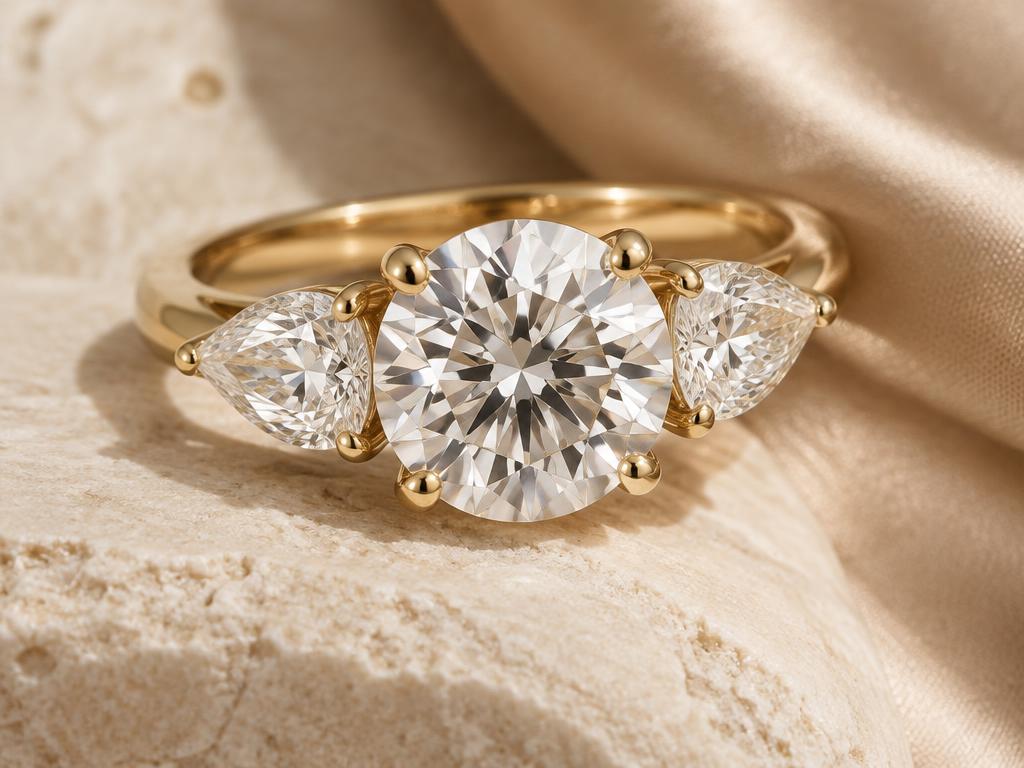
Three Stone
A center is balanced by two companion stones.
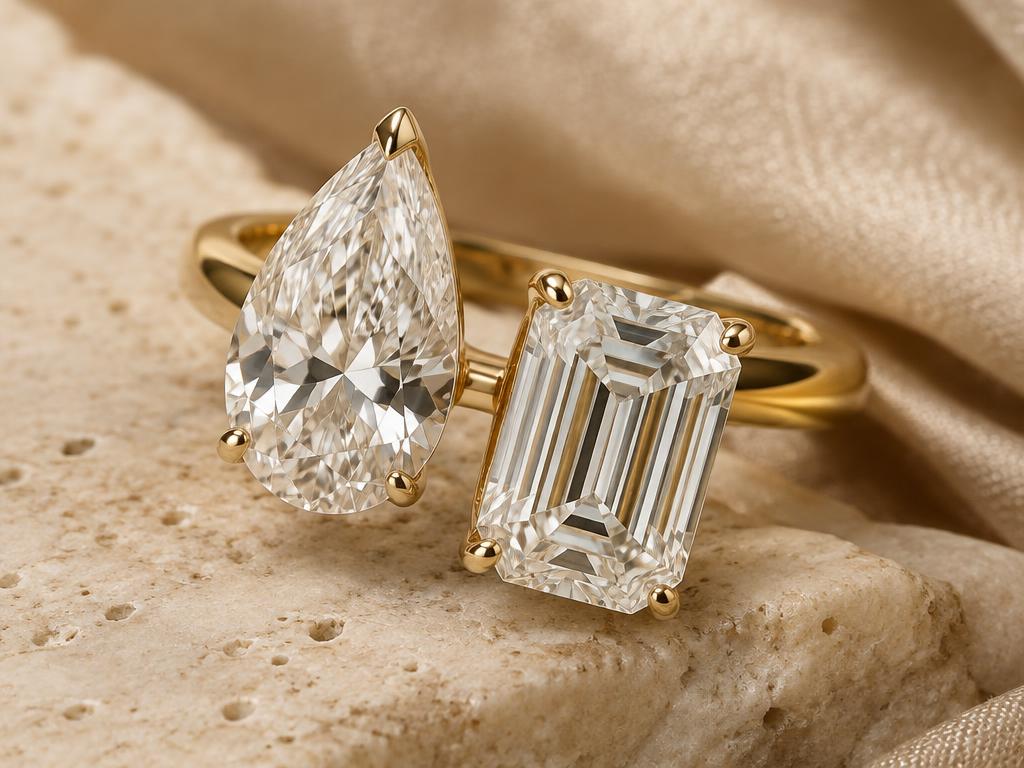
Toi et Moi
Two primary stones share the focus.
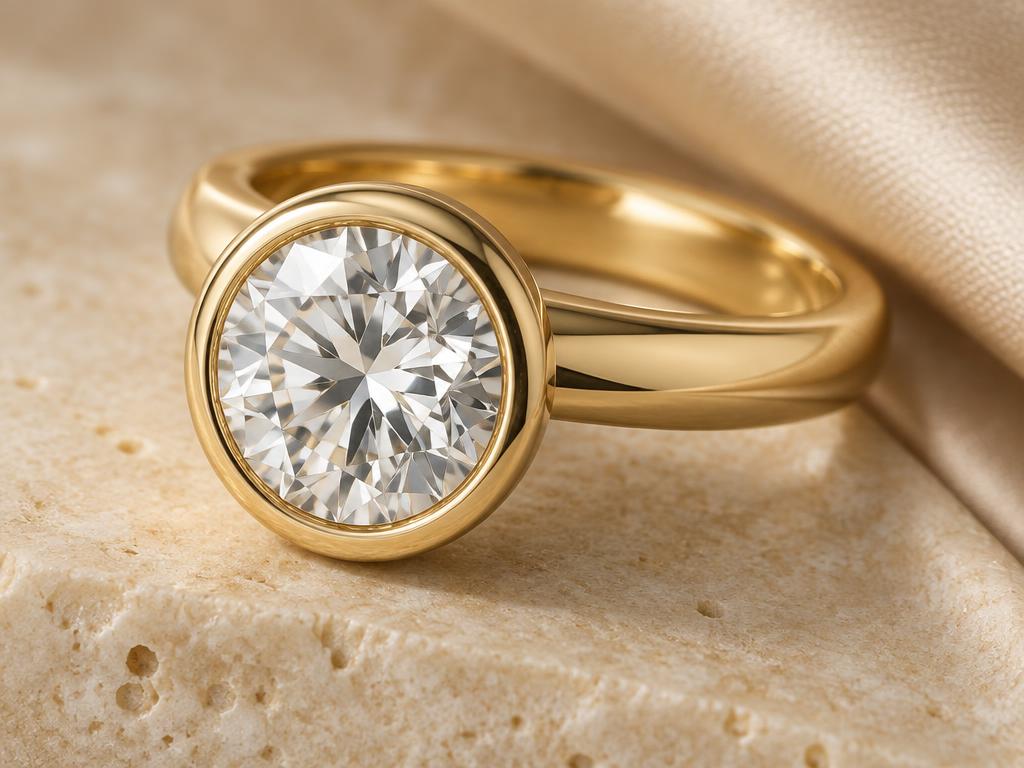
Bezel
A metal rim secures all or part of the stone perimeter.
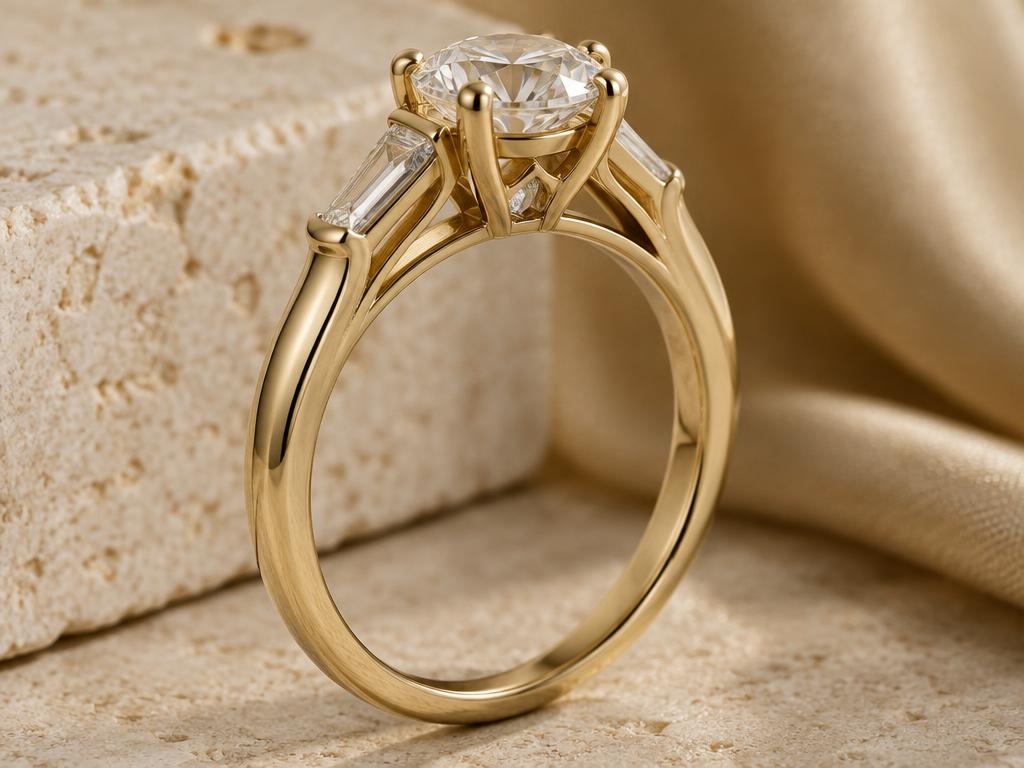
Cathedral
Shoulders rise toward the center in an architectural profile.
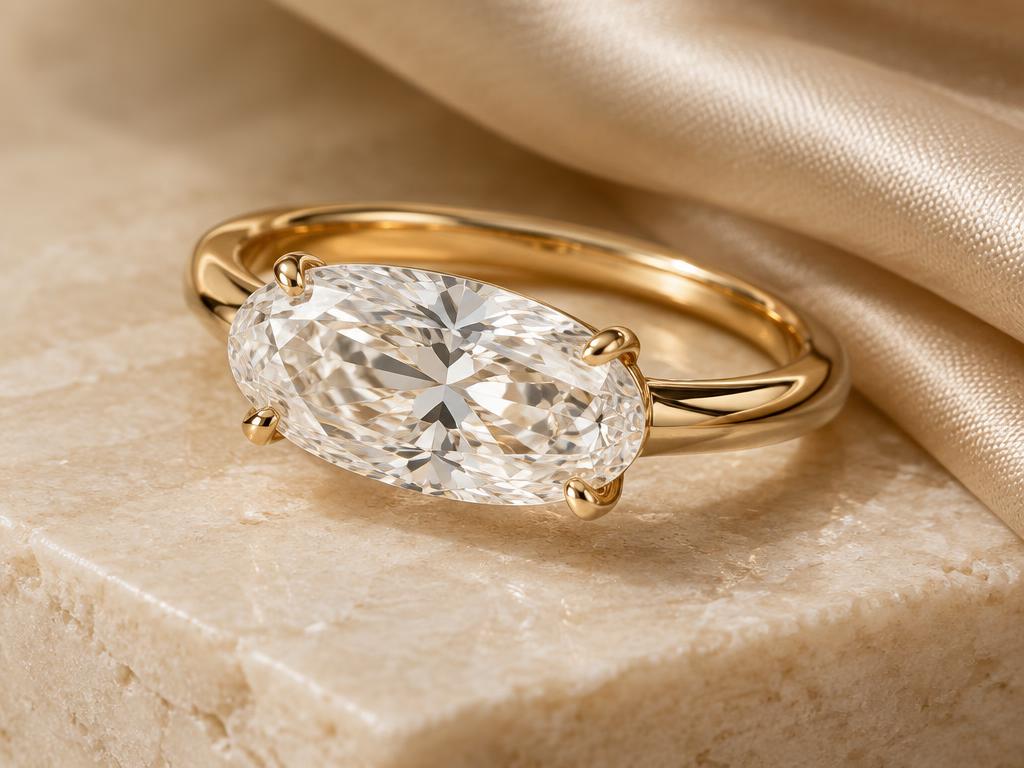
East-West
An elongated center is oriented across the finger.
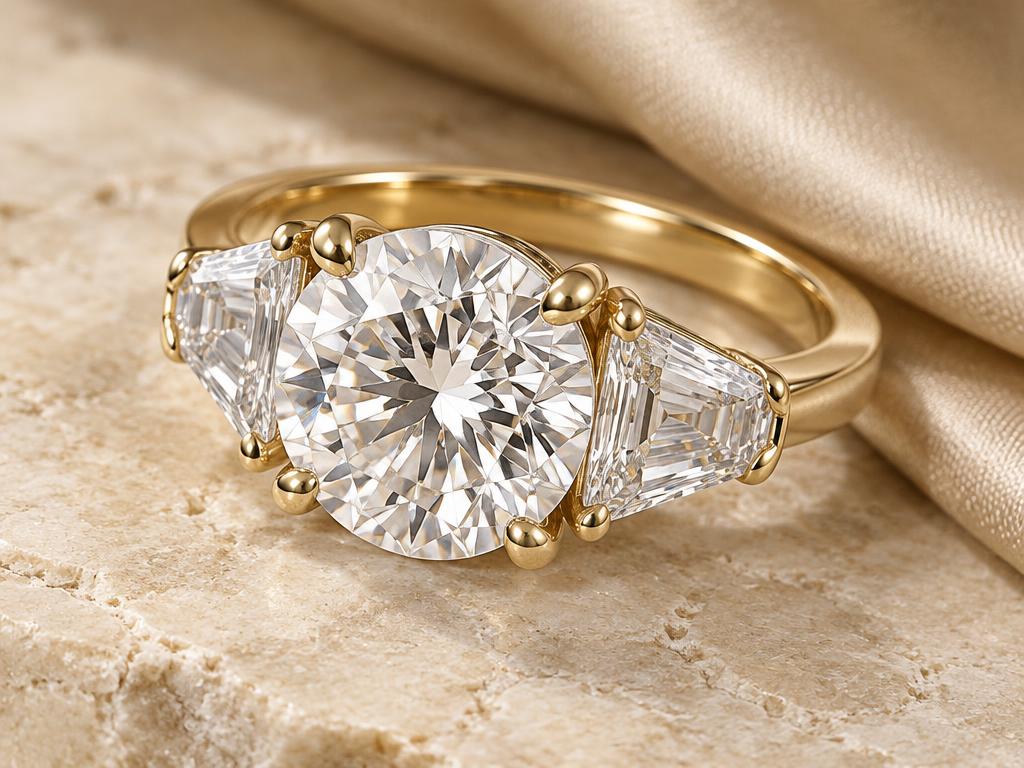
Side-Stone
Distinct side diamonds flank the center.
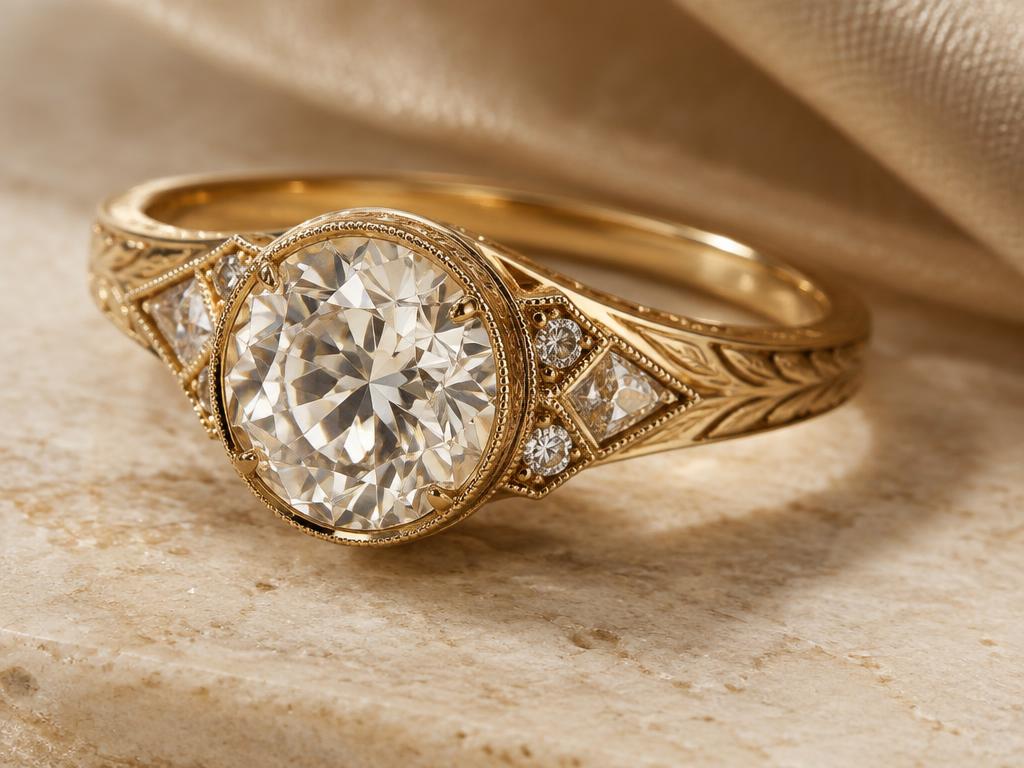
Vintage-Inspired
Historically informed detail, shown for education only.
Setting styles
The overall composition: solitaire, halo, three-stone, toi et moi, cathedral or east-west.
Setting methods
How stones are secured: prong, bezel, channel, pavé or shared-prong. A cathedral solitaire can use prongs; a pavé band can belong to a halo or solitaire.
Center Diamond
The main stone and visual focal point of the ring. Its shape, proportions, and setting define much of the ring’s presence.
How These Parts Work Together
Appearance
The head, gallery, shoulders, and shank work together to determine the ring’s profile, proportions, and visual presence.
Security
Prongs, head construction, bridge support, and craftsmanship all contribute to how securely the diamond is held.
Band Compatibility
Gallery height, bridge clearance, and shoulder architecture influence whether a straight wedding band can sit flush beside the engagement ring.
Comfort & Wear
Shank width, profile height, exposed elements, and overall construction influence day-to-day comfort and maintenance.
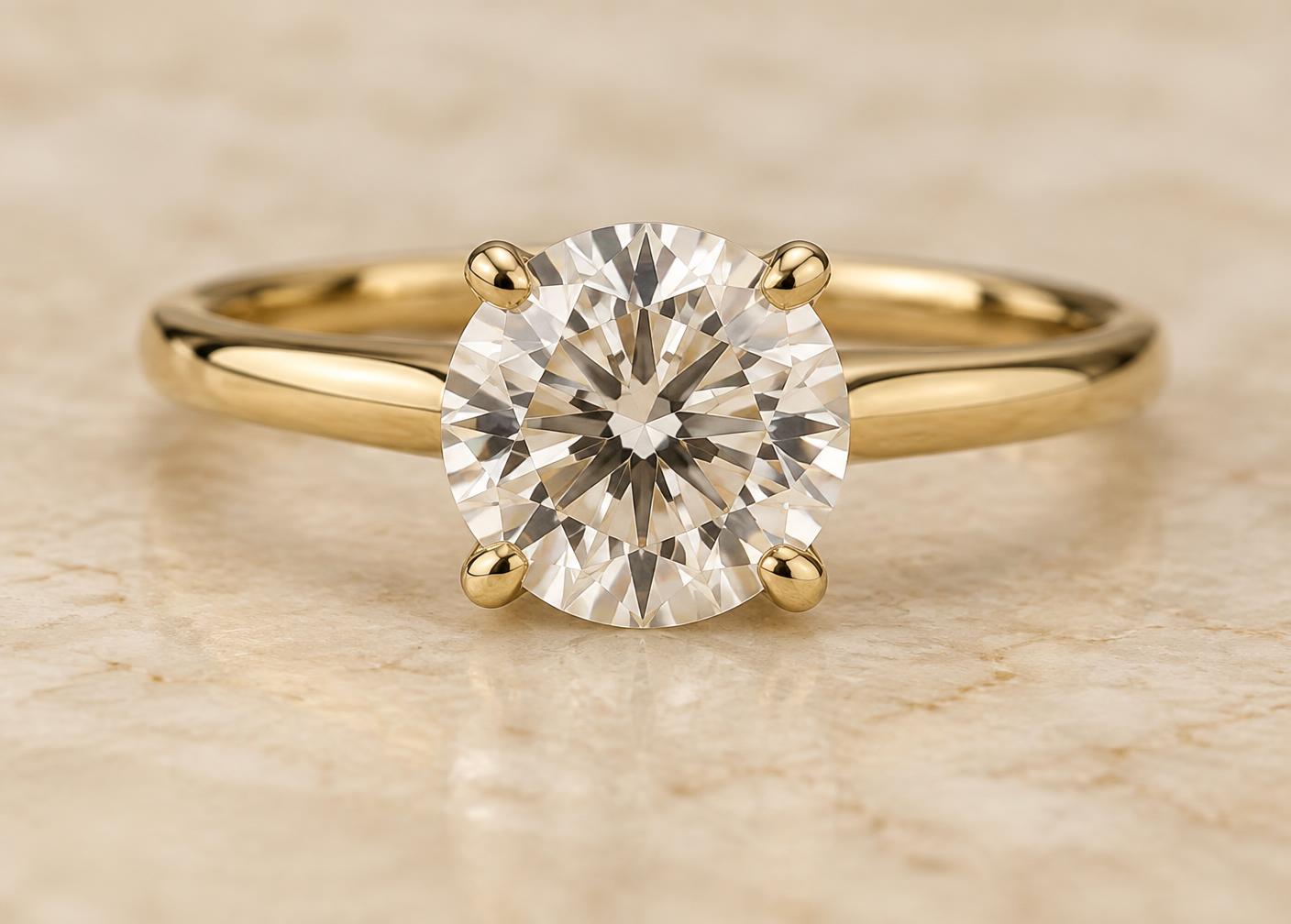
Prong
Prongs are small metal claws or tips that secure a stone at key points around its perimeter. They leave much of the diamond exposed, allowing light to enter from multiple angles.
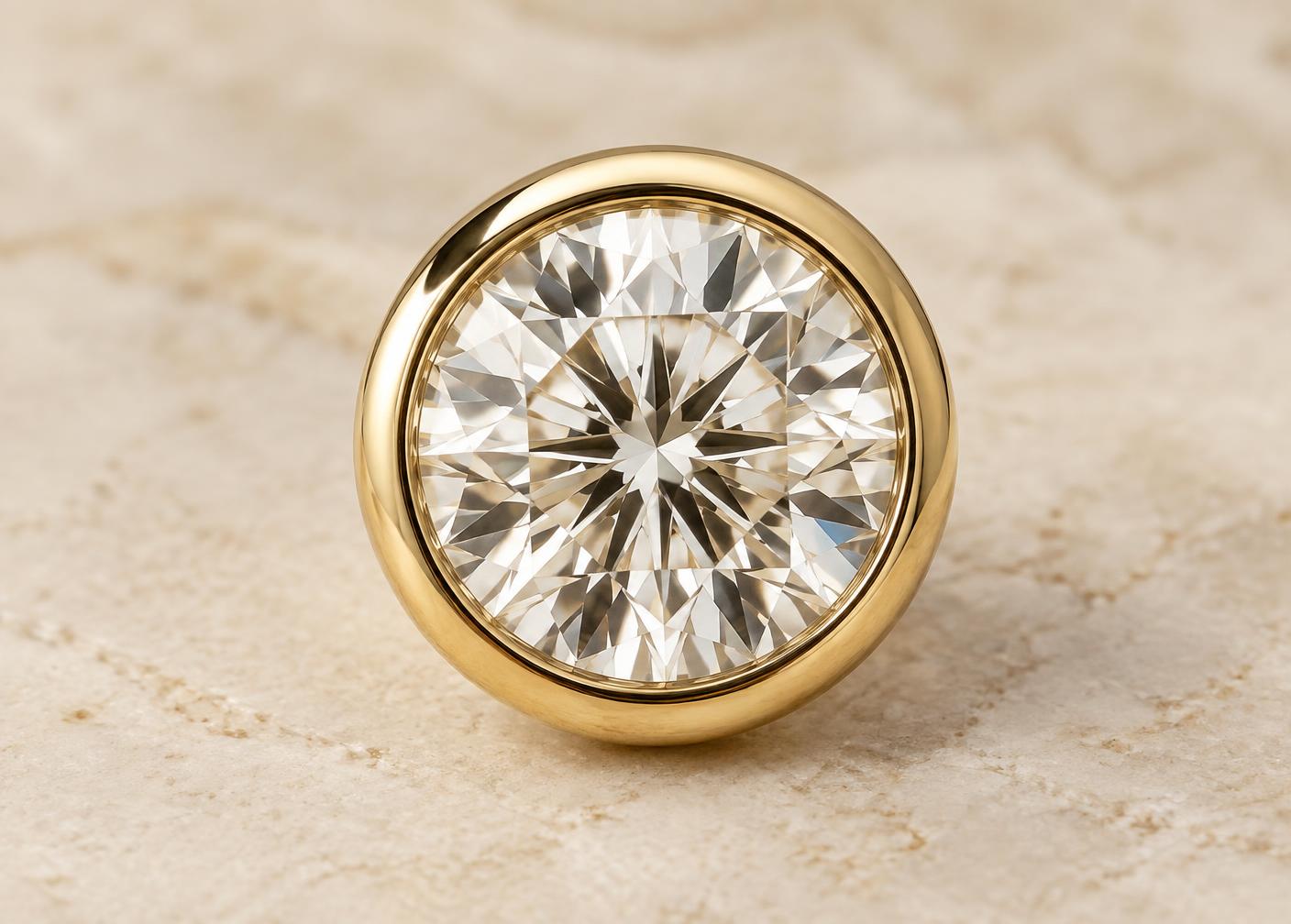
Bezel
A bezel secures all or part of a stone’s perimeter with a metal rim. The result is a smooth, architectural look with the stone framed by metal.
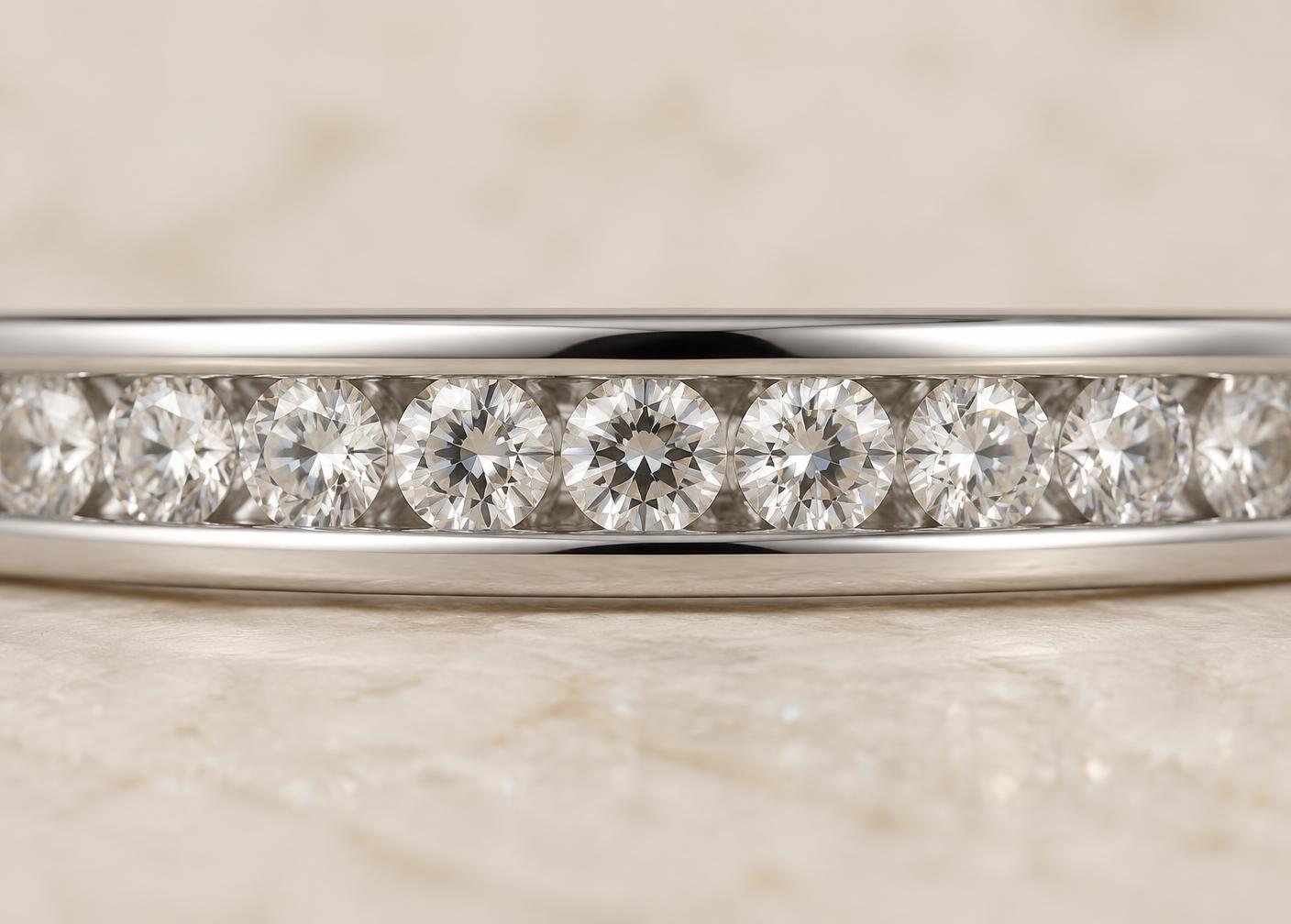
Channel
Channel-set stones sit side by side between two parallel metal walls, creating a clean, continuous row with no individual prongs visible between the stones.
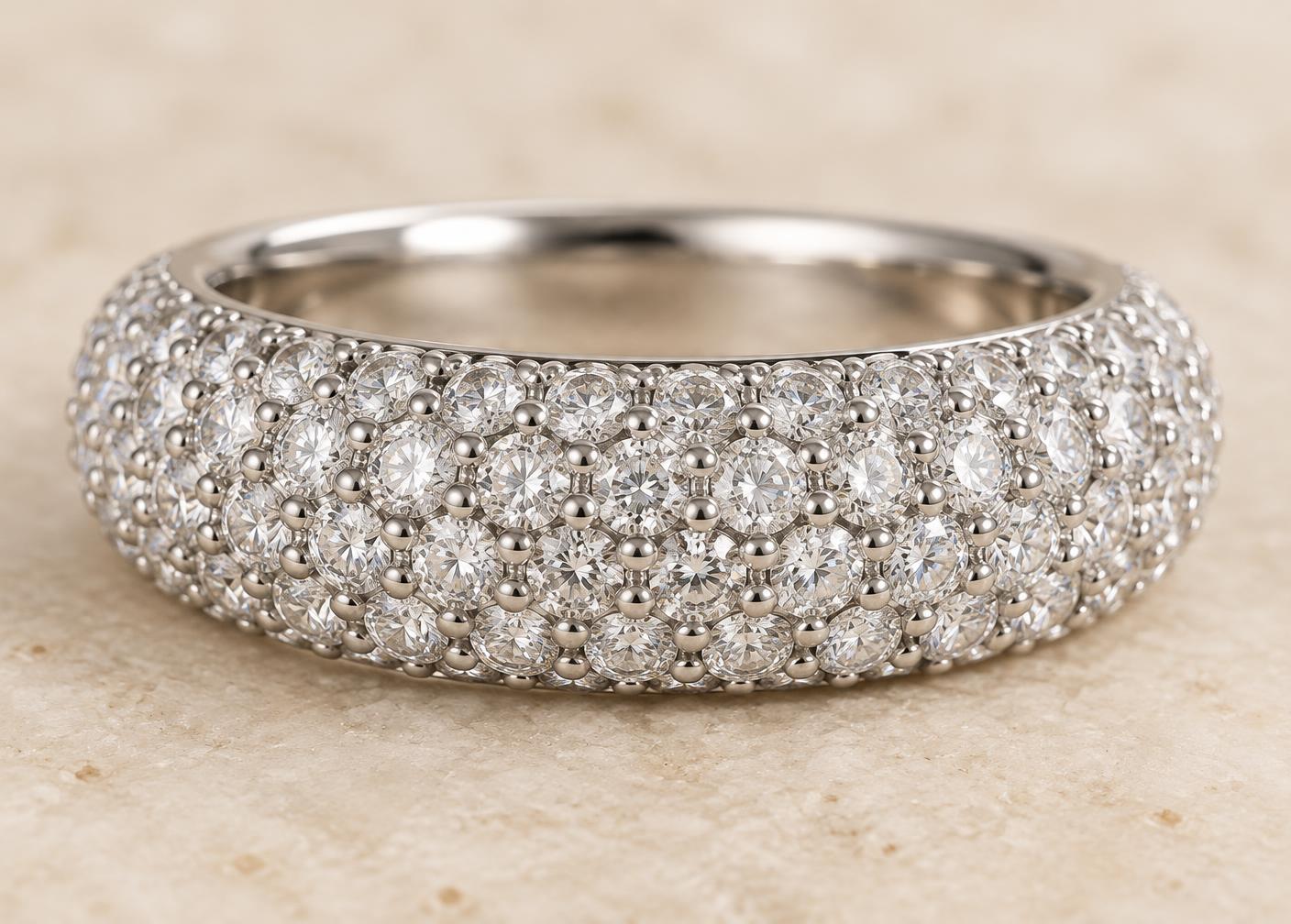
Pavé
Pavé uses many small diamonds set closely together with tiny beads or shared metal points, creating a surface of continuous sparkle with minimal visible metal.
Setting methods describe how stones are physically secured. Setting styles describe the overall composition of the ring. A ring can combine both—for example, a cathedral solitaire with a prong-set center and pavé shoulders.
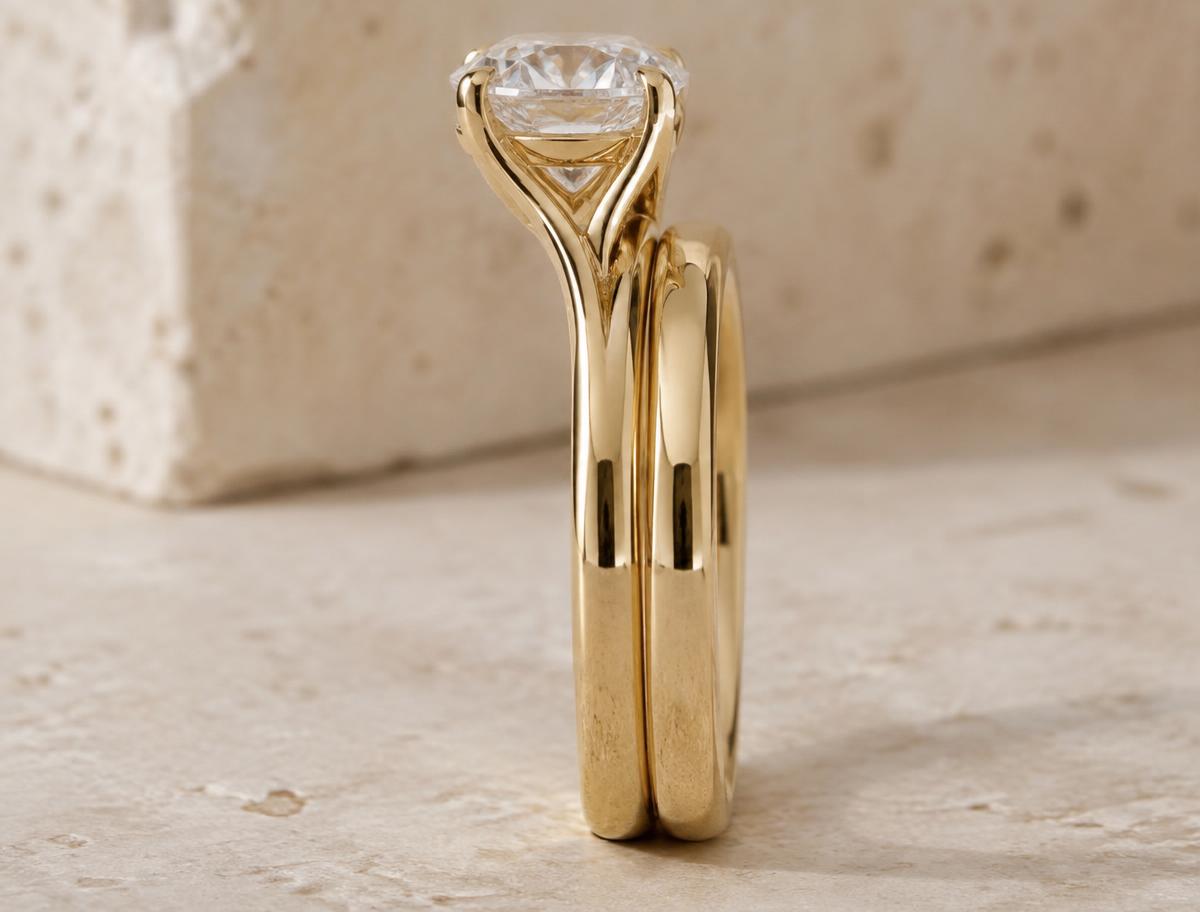
Flush fit
The head and gallery clear the band path, so a straight wedding band can sit beside the engagement ring with little or no visible gap.
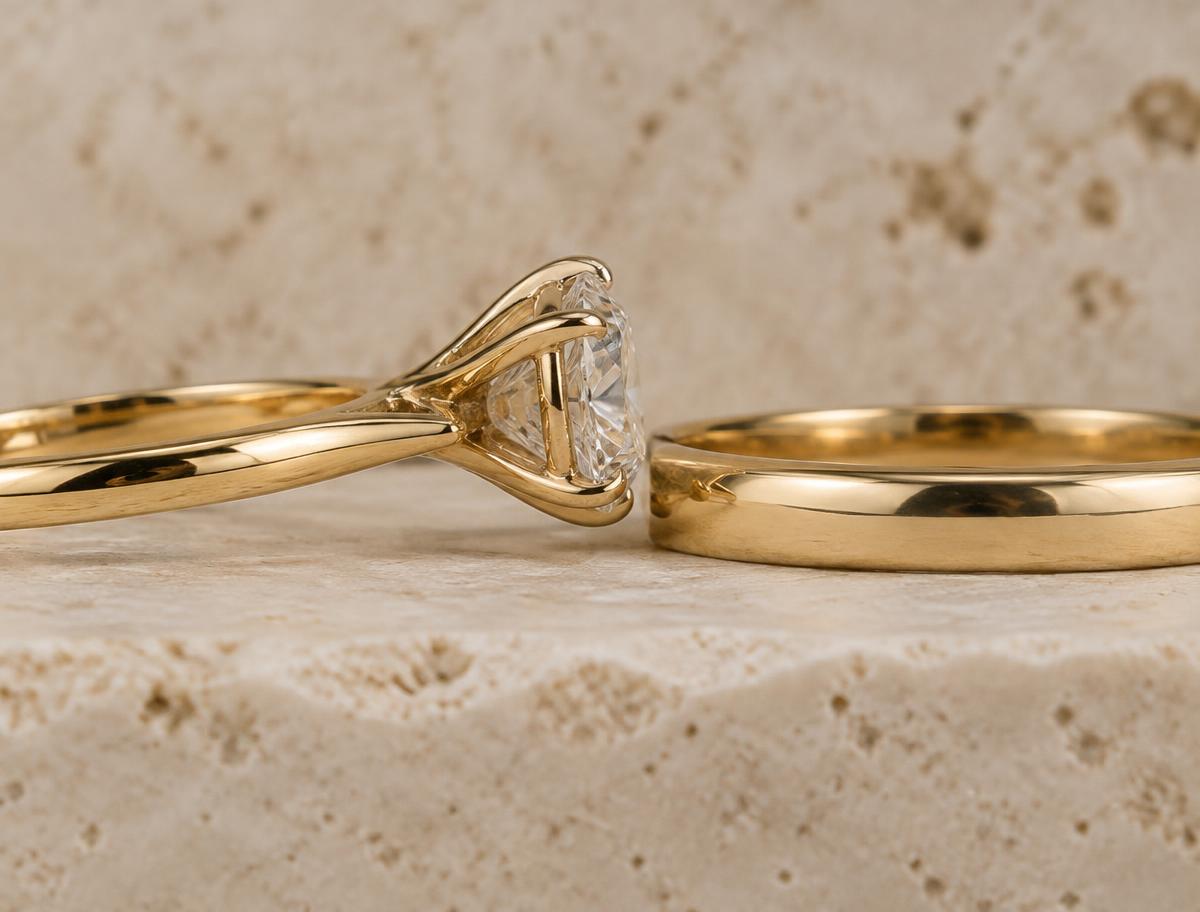
Non-flush fit
The basket or gallery protrudes into the band path. A straight band stops short and leaves a visible gap; a contour may be considered.
Appearance
Consider the full face-up composition and profile.
Security
Method, craftsmanship, wear and maintenance work together.
Band compatibility
Check actual clearance before choosing a straight or contoured band.
Lifestyle
Balance profile height, exposure and daily routines.
Maintenance
Prongs and accent settings benefit from periodic inspection.
Profile height
High and low profiles change presence, clearance and wearability.
01
The parts of a ring
The shank is the band that circles the finger; its upper sides are the shoulders. The head (or basket) holds the center diamond with prongs. The gallery is the structure beneath the center stone, seen in profile, and a bridge is the element that supports the head between the shoulders on many designs.
02
Setting style and setting method
A setting style describes the ring’s overall composition: solitaire, halo, three-stone, toi et moi, cathedral or east-west. A setting method describes how a stone is secured: prong, bezel, channel, pavé or shared-prong. These ideas overlap—a cathedral solitaire may use prongs, and a pavé band may belong to either a halo or solitaire composition.
Solitaire keeps one center stone as the visual focus. Pavé or accented rings add small diamonds along the band or shoulders. A face-up halo visibly surrounds the center; a hidden halo sits beneath its perimeter and is usually most apparent in profile. Three-stone rings balance a center with two companions, while side-stone designs use distinct flanking diamonds as primary elements. Toi et moi gives two primary stones shared focus.
03
Architectural styles
A bezel uses a metal rim around all or part of a stone’s perimeter and can appear within several overall styles. Cathedral shoulders rise toward the center setting. East-west designs orient an elongated center horizontally across the finger. Vintage-inspired is an aesthetic description and should be used only when a design is intentionally verified that way.
04
Prongs
Four prongs show more of the diamond; six prongs add security and a softer round outline. Claw, double and V-prongs are chosen by shape — V-prongs, for example, protect the points of pear, marquise and heart diamonds.
05
Profile and wedding-band fit
A flush-fit design gives a straight wedding band clearance to sit directly beside the engagement ring with little or no visible gap. In a non-flush-fit design, a low or protruding basket or gallery enters the band’s path, so a straight band stops short; a curved or contoured band may be appropriate.
Profile height also affects presence and wearability. Security depends on the complete design, workmanship, wear and maintenance—not on a blanket claim that one method is always safer than another.