Diamond Education
Diamond Shapes and Proportions
Shape is the outline of a diamond seen from above. Cut is how well it is faceted and proportioned. Choosing the shape is personal; judging the cut is technical.
Shape is the outline of a diamond seen from above. Cut is how well it is faceted and proportioned. Choosing the shape is personal; judging the cut is technical.
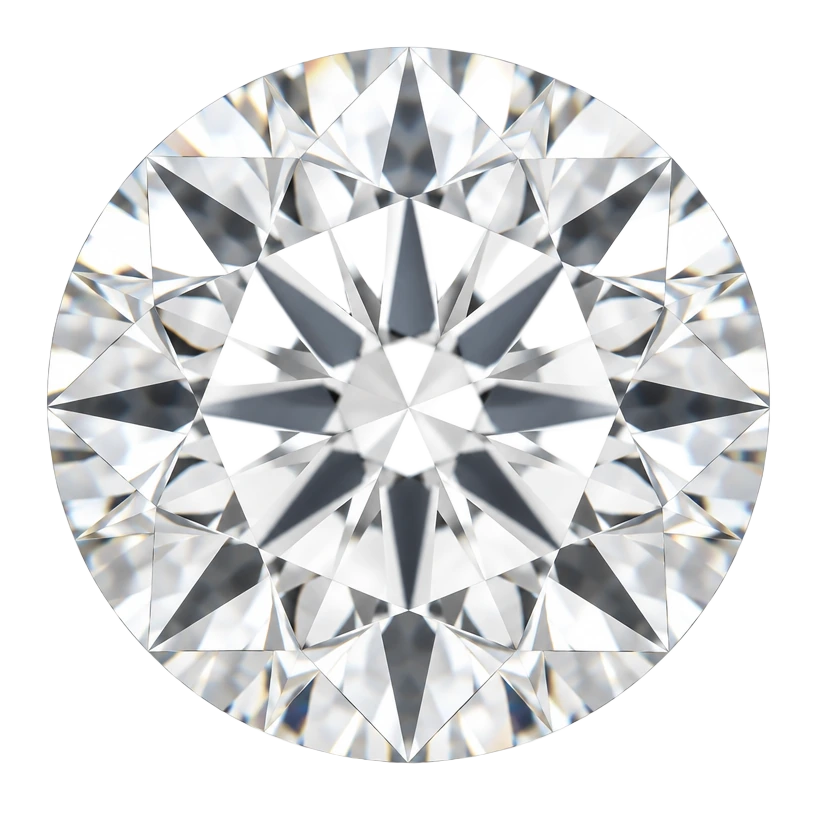
Round
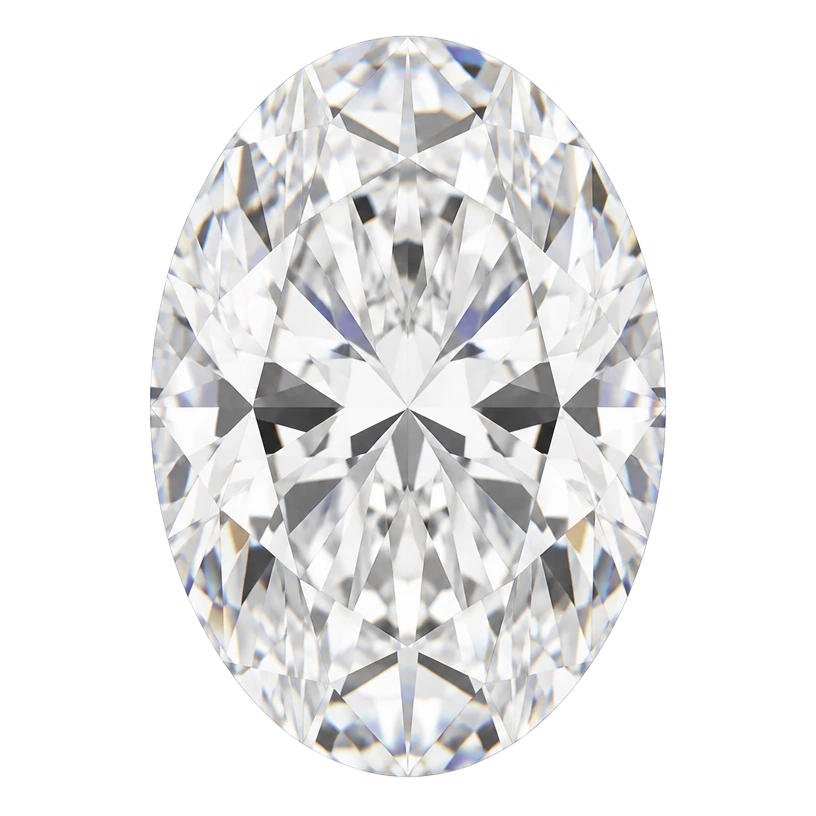
Oval
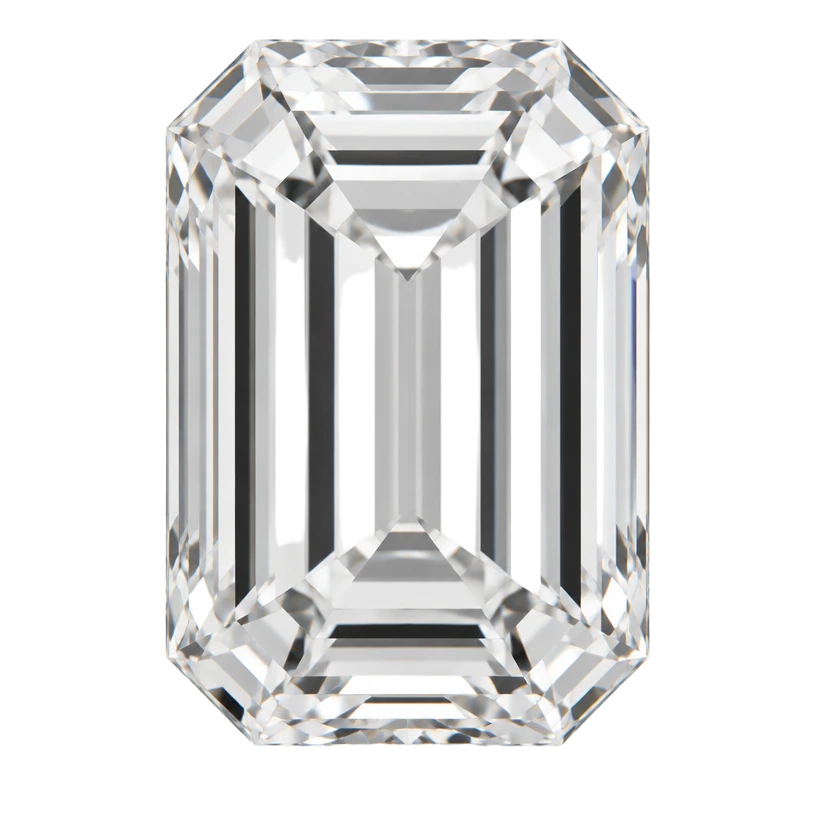
Emerald
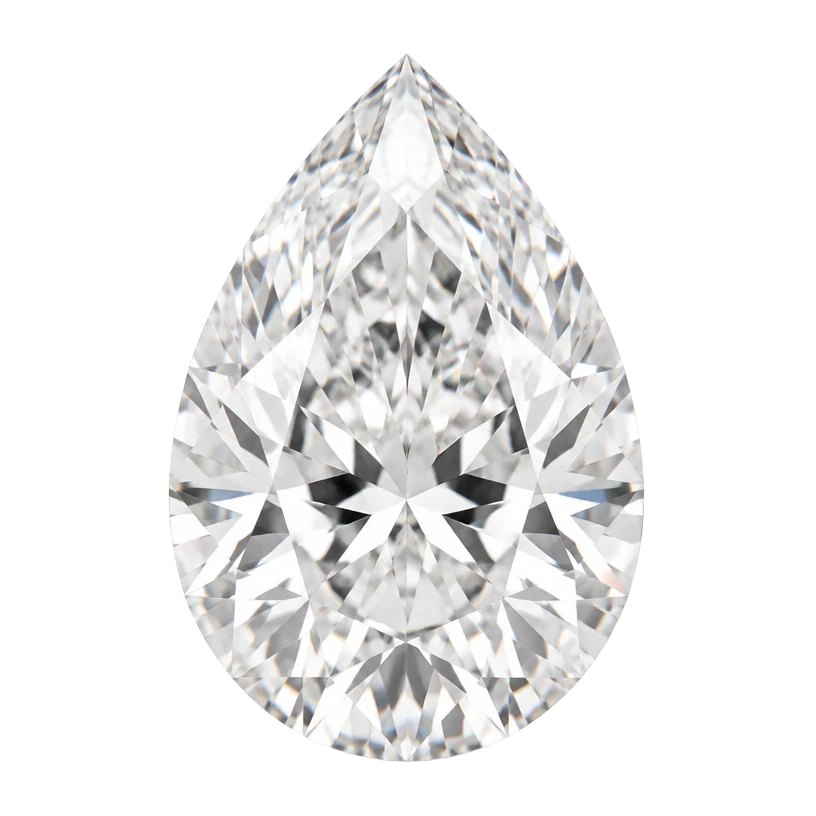
Pear
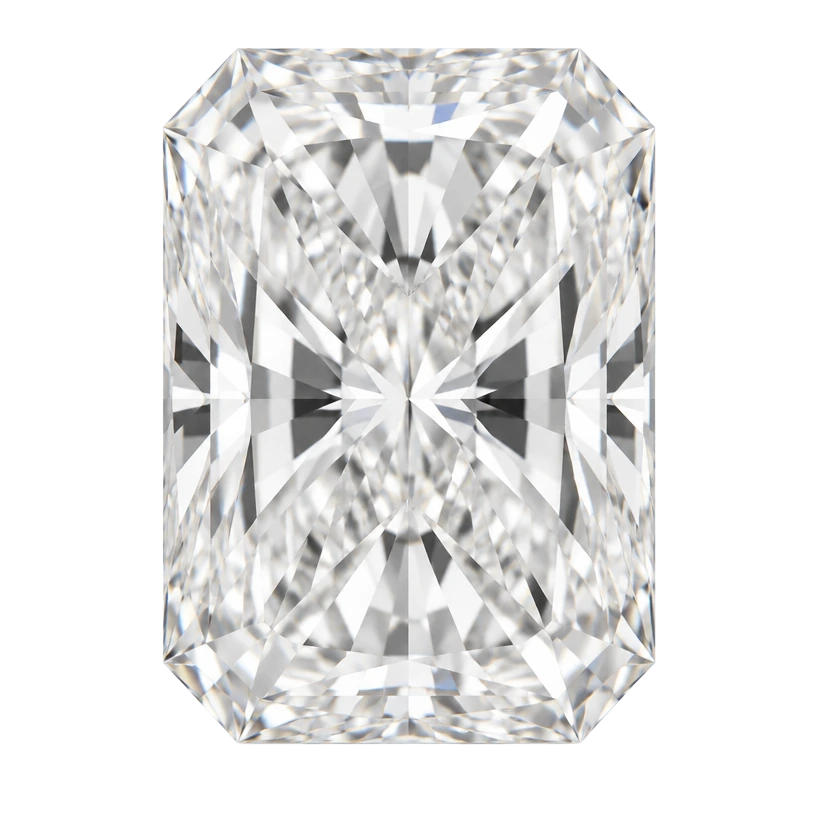
Radiant
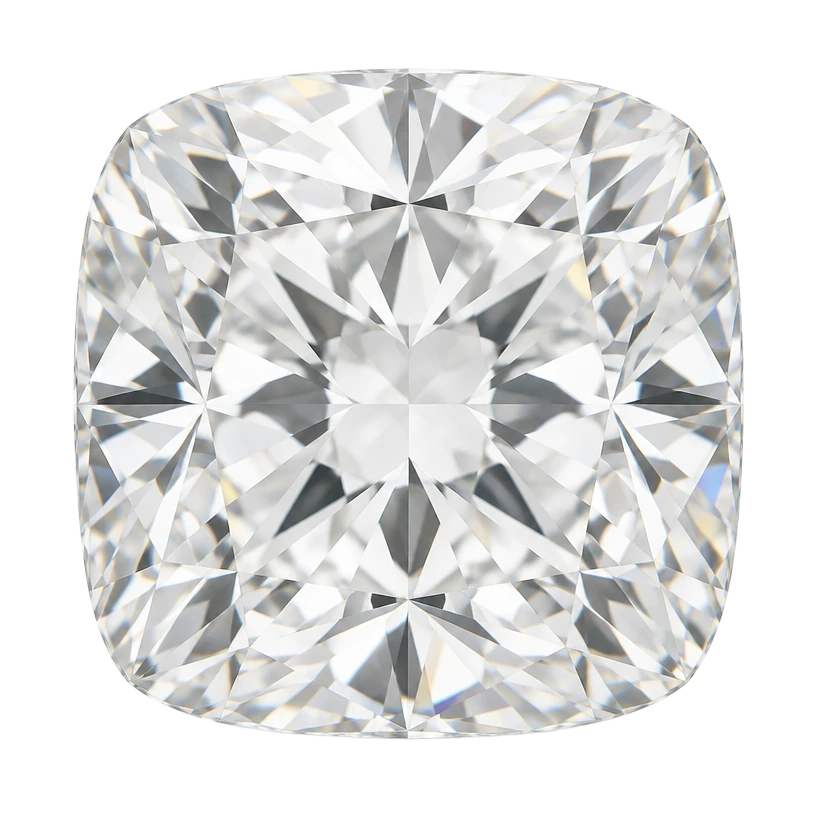
Cushion
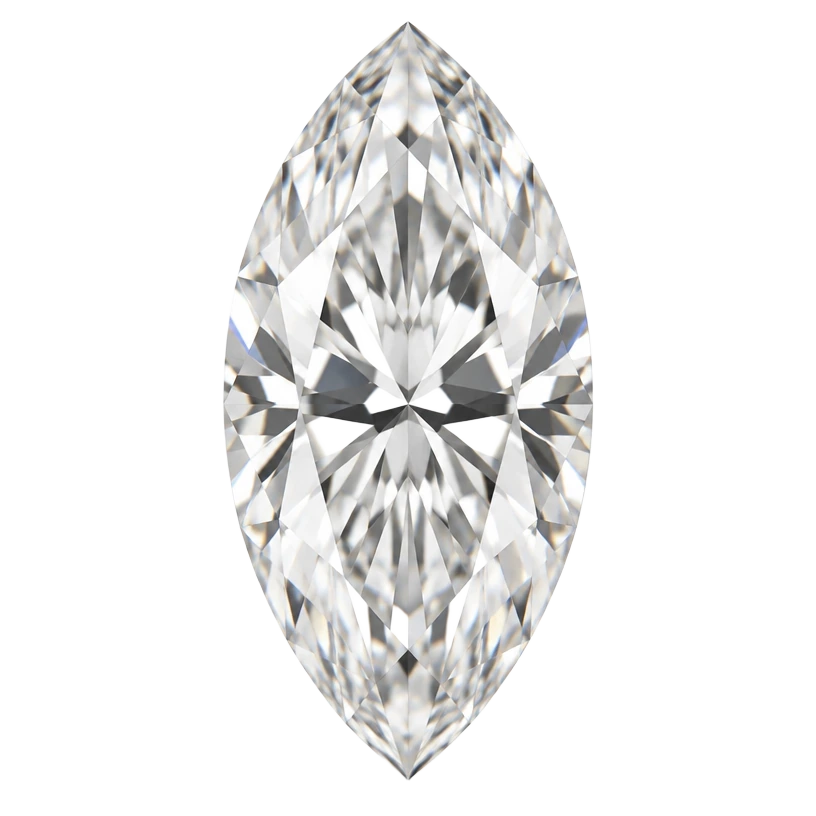
Marquise
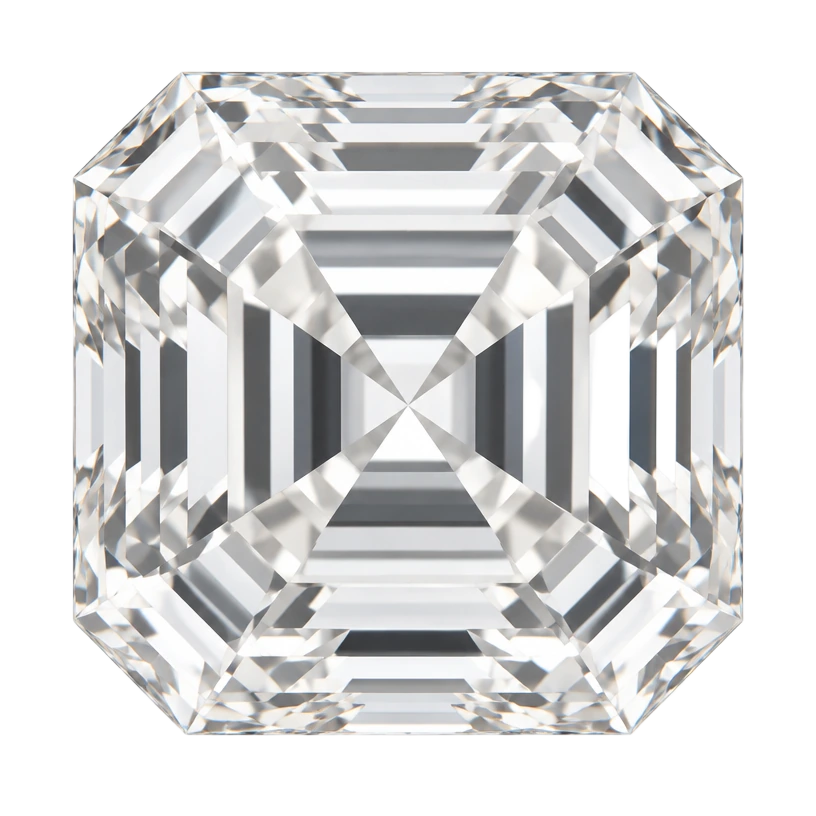
Asscher
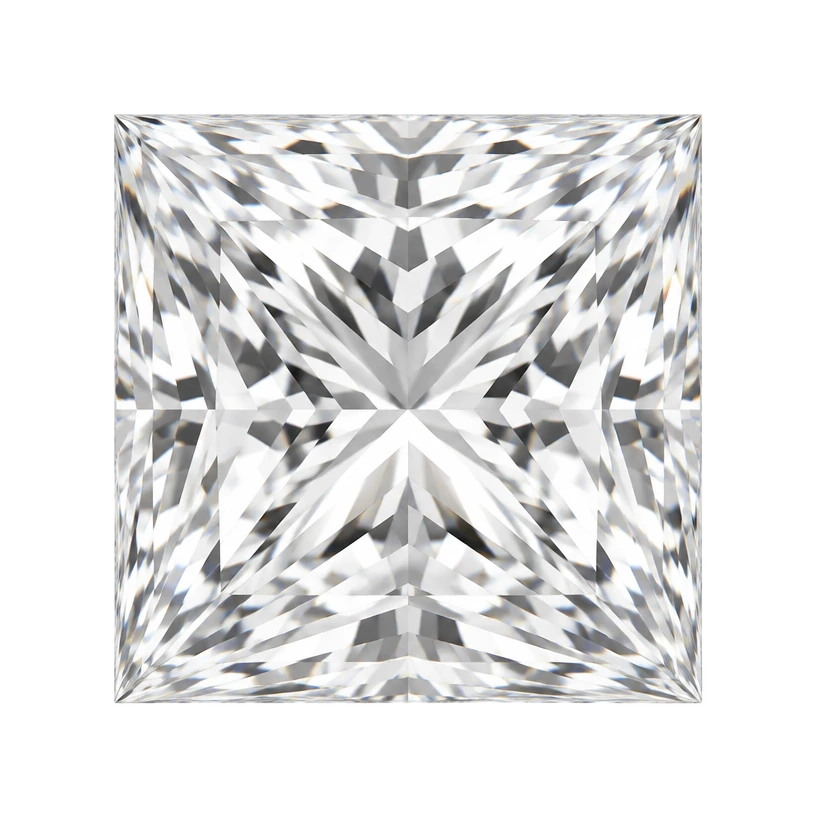
Princess
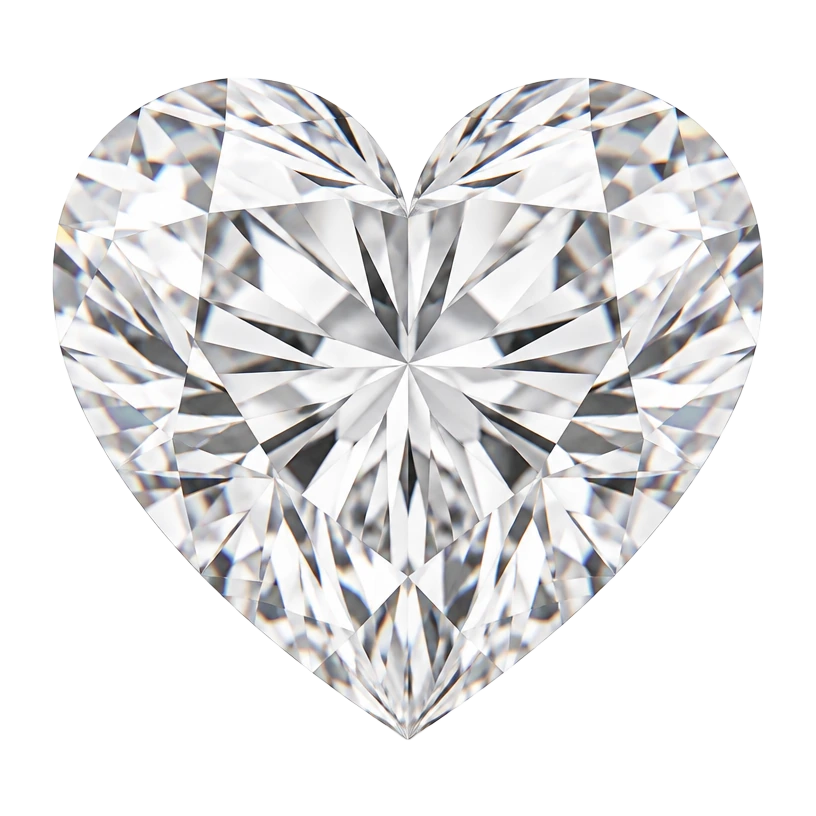
Heart
01
Shape is not cut
“Oval” or “emerald” describes shape. “Excellent” or “Very Good” describes cut quality where a lab grades it. A beautifully shaped diamond can still be poorly cut, which is why we look at both.
02
Brilliant and step cuts
Round, oval, pear, marquise, heart, cushion, radiant and princess shapes typically use brilliant-style faceting for sparkle. Emerald and Asscher shapes use step cuts — long, parallel facets that create a calm hall-of-mirrors effect and show clarity more openly.
03
Length-to-width ratio
For elongated shapes, the length-to-width ratio shapes the silhouette. An oval near 1.35:1 reads classic; a higher ratio looks slimmer and longer. There is no correct ratio — only the proportion that feels like you.
04
Face-up size
Because carat is weight, shapes spread differently. Elongated shapes such as oval, marquise and pear often face up larger than a round of the same weight, while deeper cuts may face up smaller. Compare measured millimeters whenever possible.
05
The bow-tie effect
Some elongated brilliant shapes show a darker band across the center, called a bow-tie. A subtle bow-tie is normal; a pronounced one can dull the face. It is best judged by viewing the diamond itself or its video.