
Diamond Education
Understanding the 4Cs
Four characteristics. One complete picture.
The 4Cs are a shared language for describing a diamond. They are a starting point, not the whole story — two diamonds with identical grades can still look different in person.
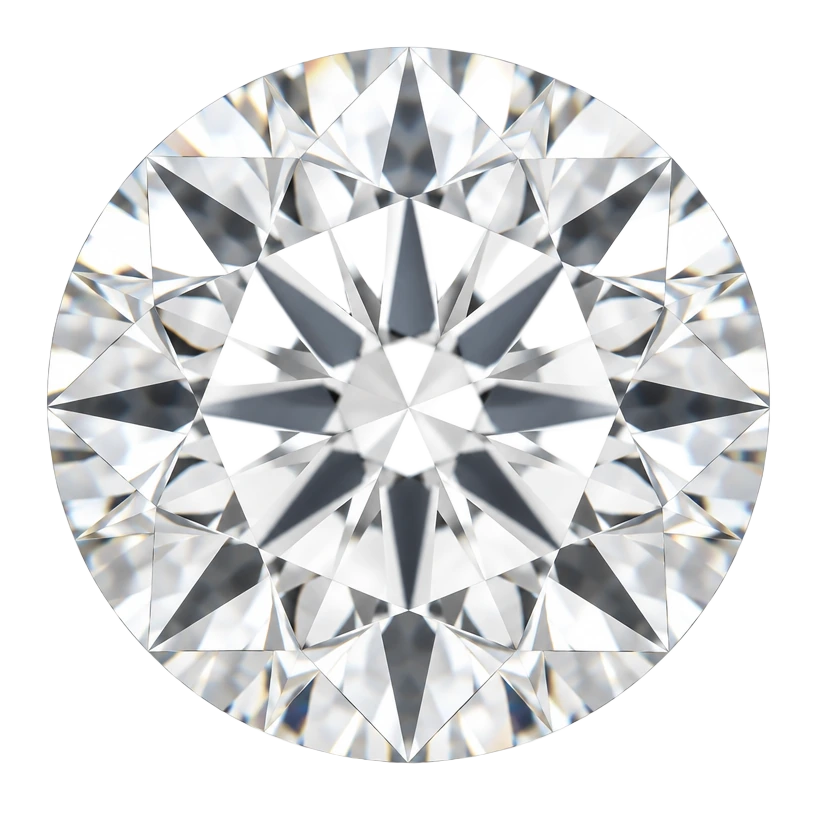
The 4Cs offer a common framework for comparison. They do not replace viewing the individual diamond, its measurements, proportions, report and movement in light.
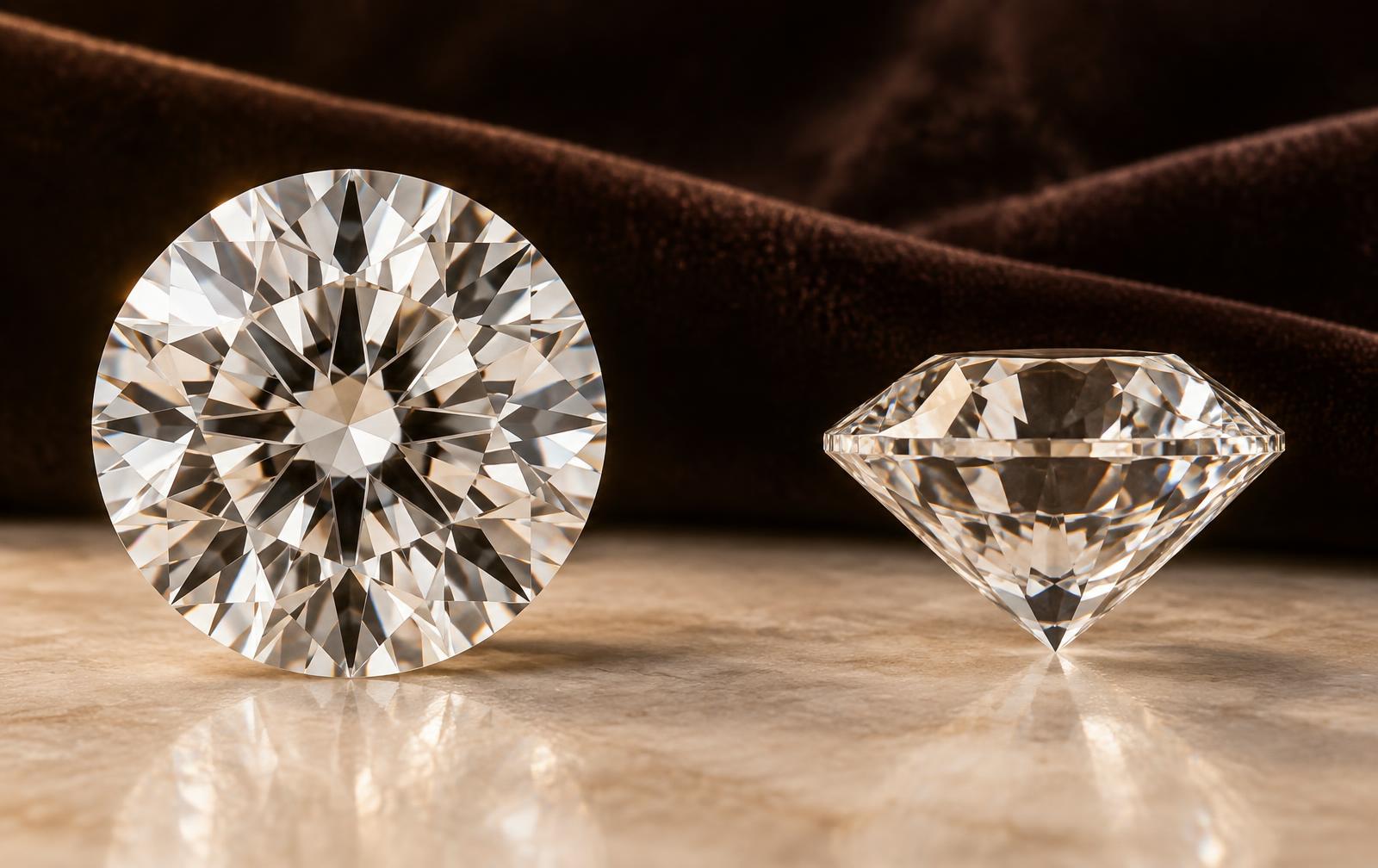
01 · Cut
How light becomes life.
Brightness is white light returned to the observer. Fire is dispersion into spectral colors. Scintillation is the pattern and flashes of light and dark seen as the diamond, light or viewer moves.
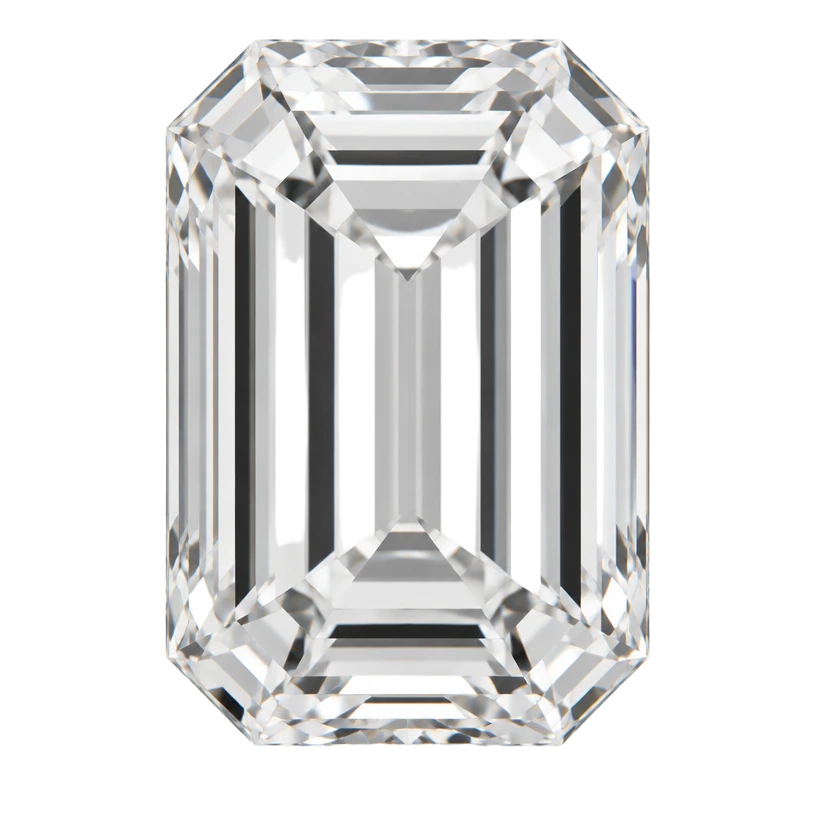
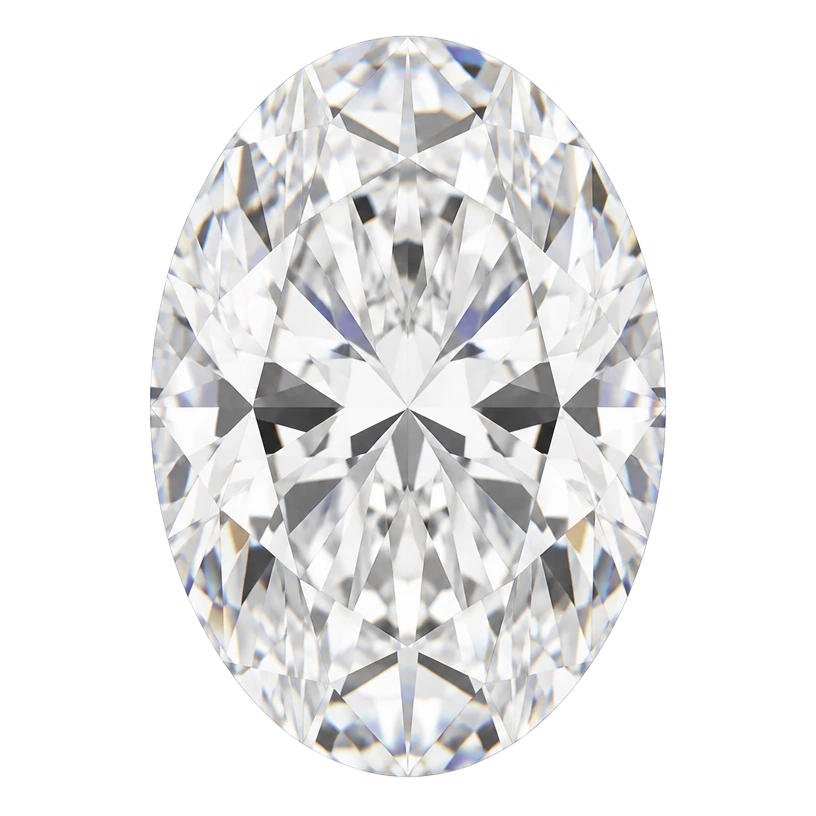
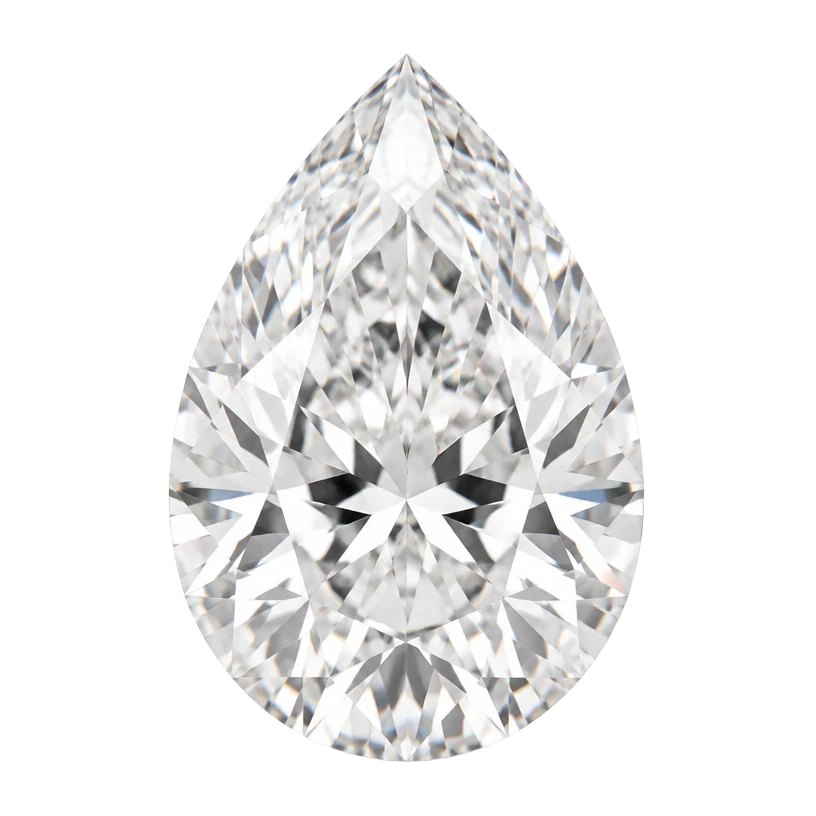
Shape describes outline. Cut describes facets, proportions, finish and the resulting interaction with light.
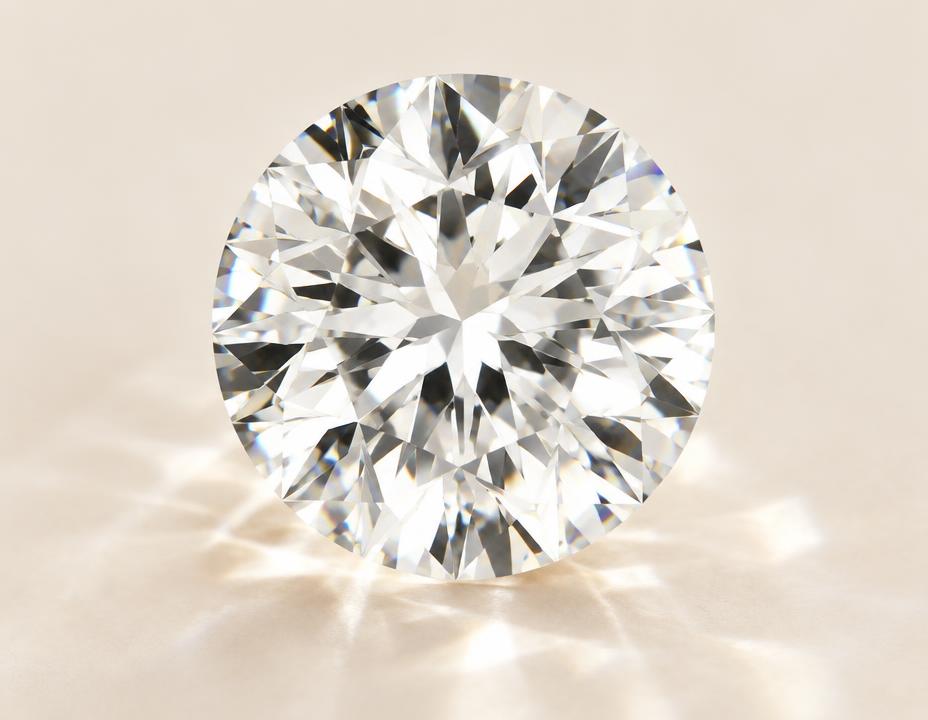
Brightness
White light returned to the observer.
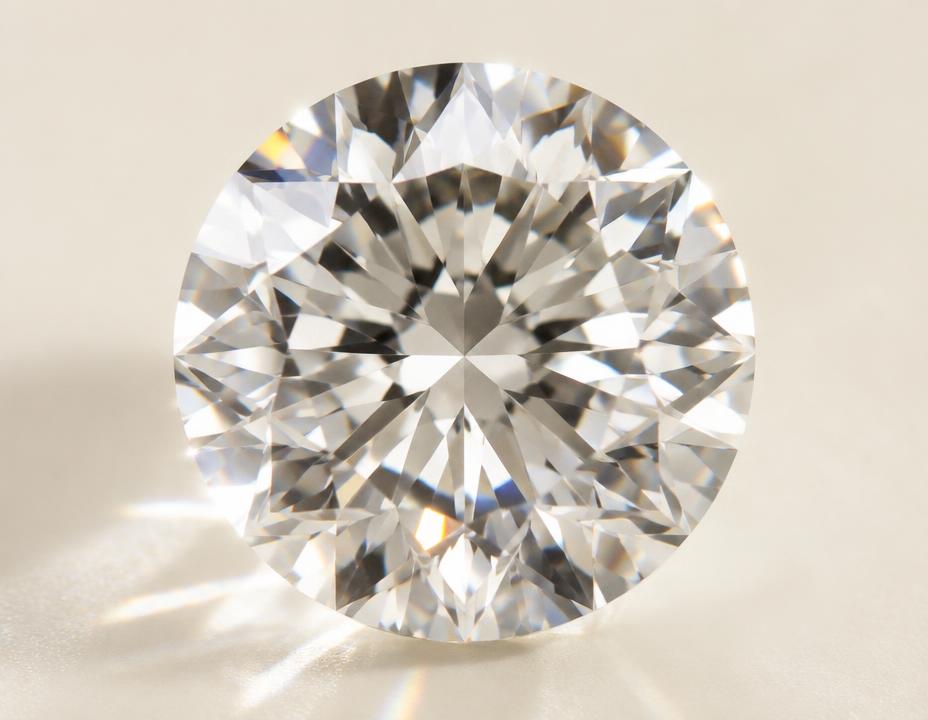
Fire
White light dispersed into spectral colors.
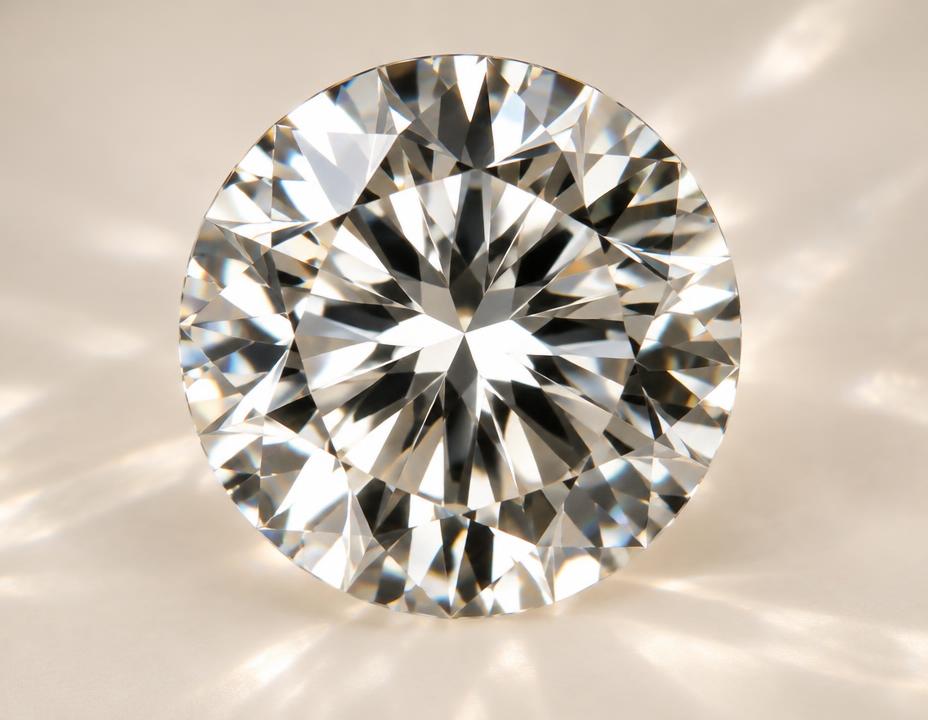
Scintillation
Light and dark flashes visible in movement.
02 · Color
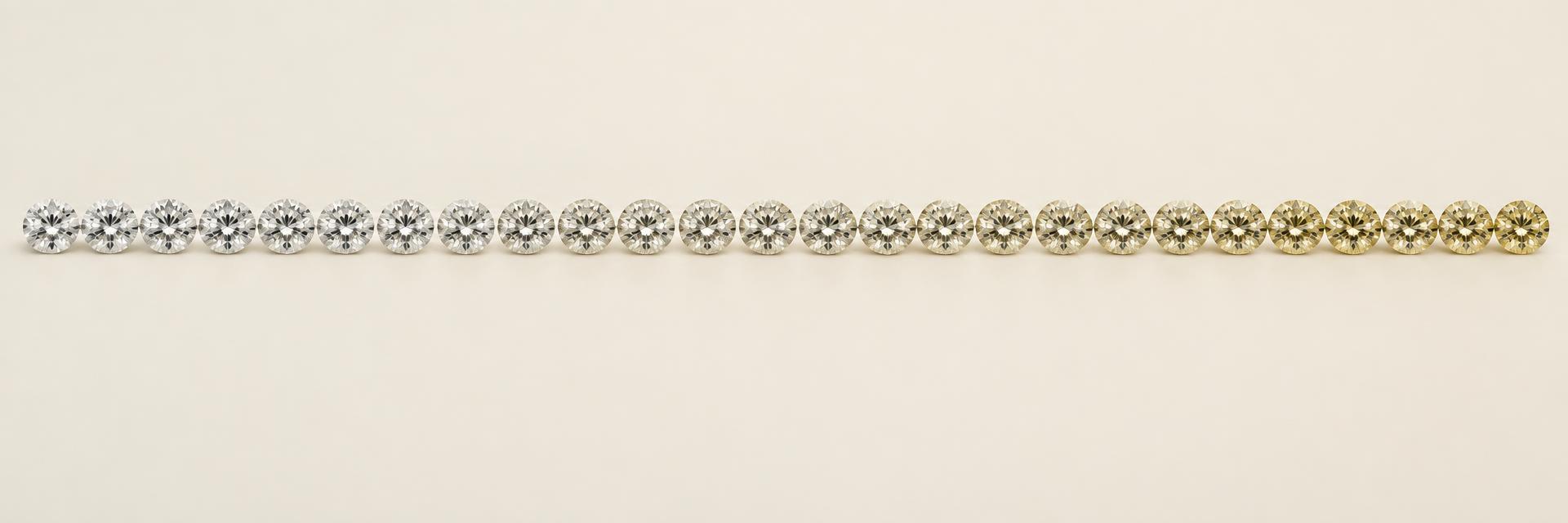
A progression measured in nuance.
Diamond color grading describes the absence or presence of body color under controlled viewing conditions. Neighboring grades can be subtle in daily wear.
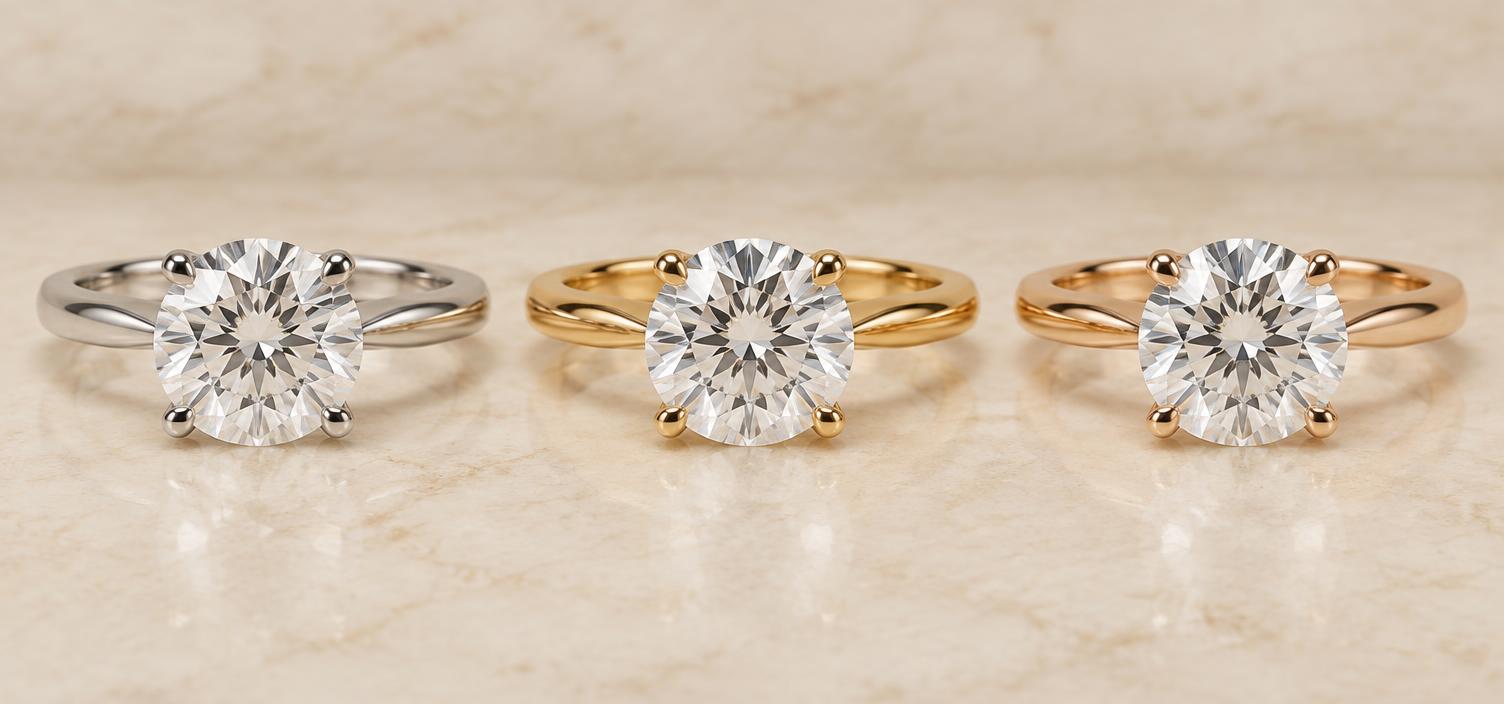
How metal color affects perception.
The same near-colorless diamond can appear cooler or warmer beside white, yellow or rose metal. Metal does not change the diamond’s laboratory color grade; it can change perceived warmth and contrast.
03 · Clarity
Characteristics, seen in context.
Inclusions are internal characteristics. Blemishes occur at the surface. Under controlled conditions and 10× magnification, graders consider size, number, position, nature and relief.
Flawless
FL
Internally Flawless
IF
Very Very Slightly Included
VVS1 · VVS2
Very Slightly Included
VS1 · VS2
Slightly Included
SI1 · SI2
Included
I1 · I2 · I3
04 · Carat weight
Weight is not face-up presence.
One metric carat is 200 milligrams, or 0.2 grams. Carat is divided into 100 points and measures weight—not visible diameter.
Actual length and width in millimeters reveal how a particular diamond presents from above.
1 ct = 200 mg = 0.2 g
Round
6.4 × 6.4 mm · illustrative
Oval
8.0 × 5.7 mm · illustrative
Emerald
7.0 × 5.0 mm · illustrative
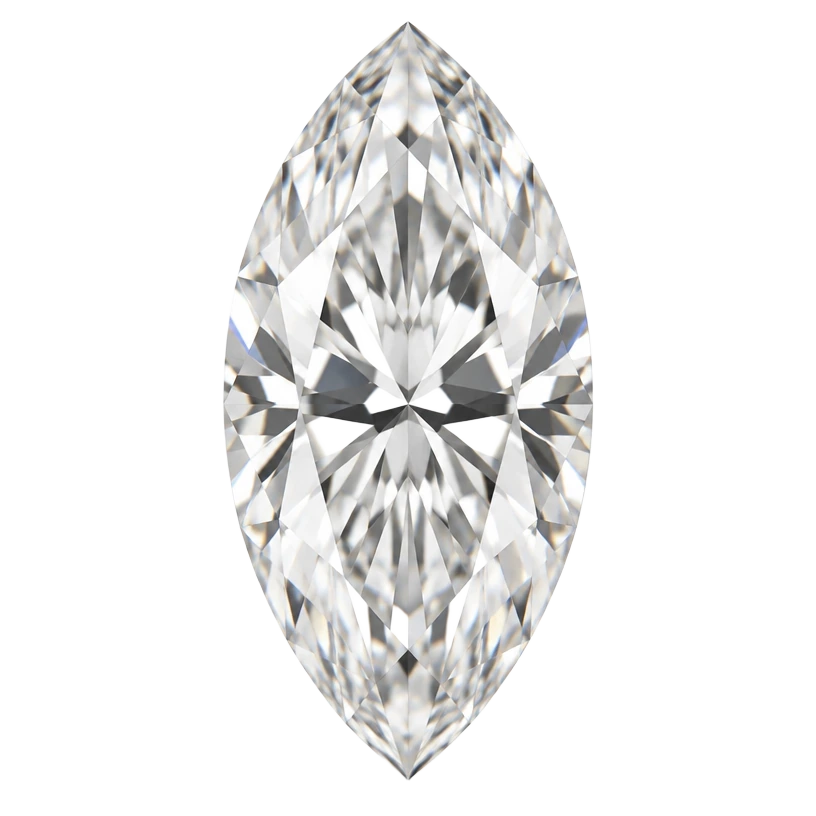
Marquise
10.0 × 5.0 mm · illustrative
Equal-weight shapes can present differently because their outlines and depth distribute weight differently. Illustrations are comparative; the selected diamond’s measured dimensions are authoritative.
Explore shapes & proportions05 · Balancing the 4Cs
Choose the diamond, not a formula.
There is no universal best combination. Begin with the shape and visual character you love, then balance light performance, color, clarity, weight, dimensions and budget around your priorities.
Two diamonds with matching headline grades can still differ in proportions, inclusion placement, fluorescence and visual pattern. Comparison is part of choosing well.
Common questions
Questions, considered.
Which of the 4Cs matters most?
There is no universal ranking. Cut and light performance strongly shape visual life, while color, clarity, weight, dimensions and budget should be balanced around your priorities.
Is carat the same as size?
No. Carat measures weight. Face-up presence is better understood through actual length and width in millimeters and the diamond’s proportions.
What does eye-clean mean?
It is an informal visual observation that clarity characteristics are not readily visible to the unaided eye under stated viewing conditions. It is not a laboratory grade.
Why can two diamonds with the same 4Cs look different?
Grades describe ranges. Proportions, facet pattern, fluorescence, inclusion position and the specific lighting environment can all affect appearance.
Do fancy shapes receive the same Cut grading?
Not as a blanket rule. GIA’s standard overall Cut grade applies to standard round brilliants in the D–Z range. Review the grades and measurements on the specific fancy-shape report, then assess the diamond visually.
Choose With Confidence.
Personal guidance, at your pace.